29 September 2026
Jowar vs Bajra vs Ragi: Which Millet Snack Fits Your Diet?
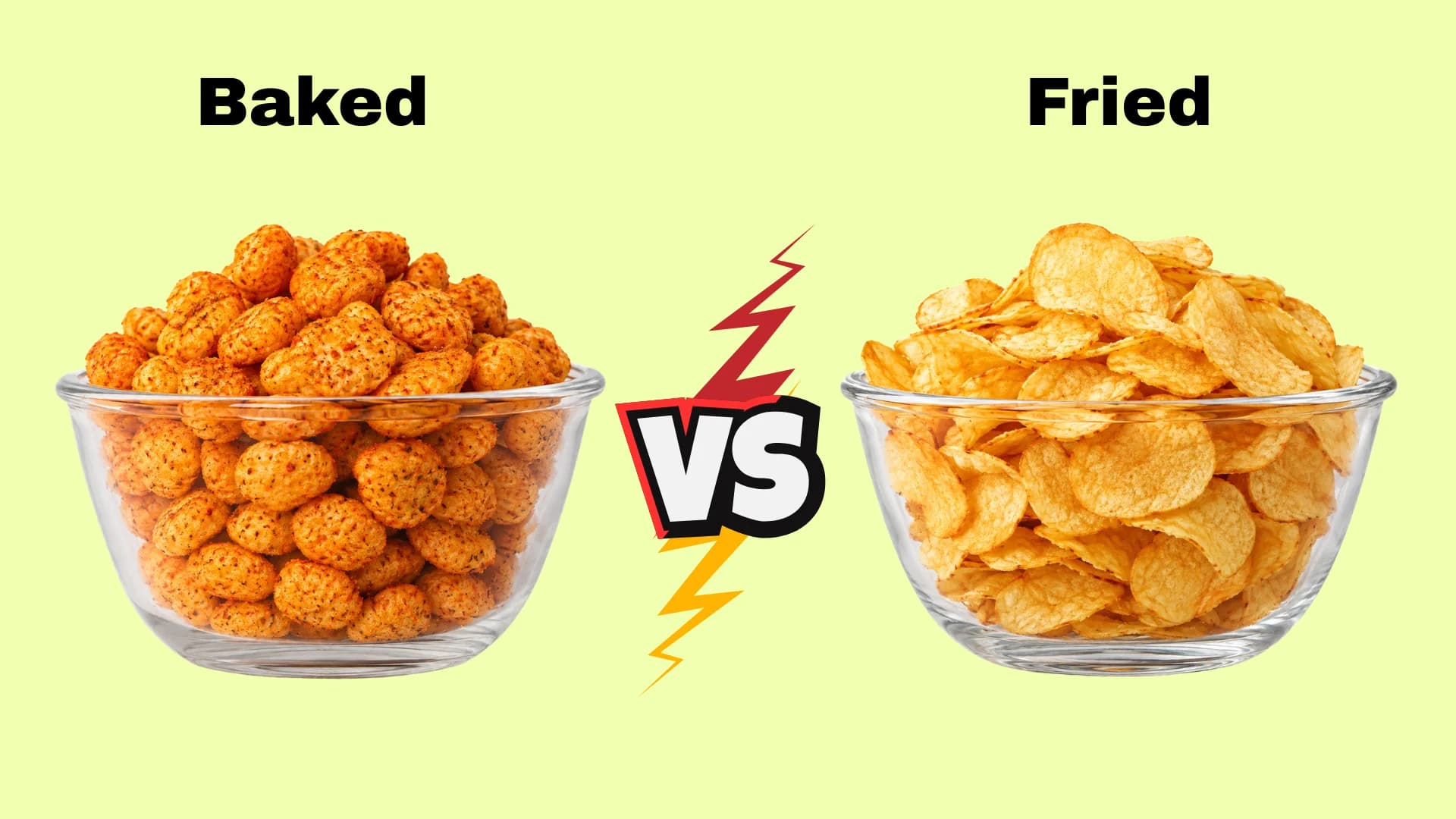
Walk into any grocery store today and the snack aisle looks nothing like it did a decade ago. Millets have quietly taken over shelf space that used to belong entirely to potato chips and fried namkeen, for good reason
Jowar vs Bajra vs Ragi: Which Millet Snack Fits Your Diet?
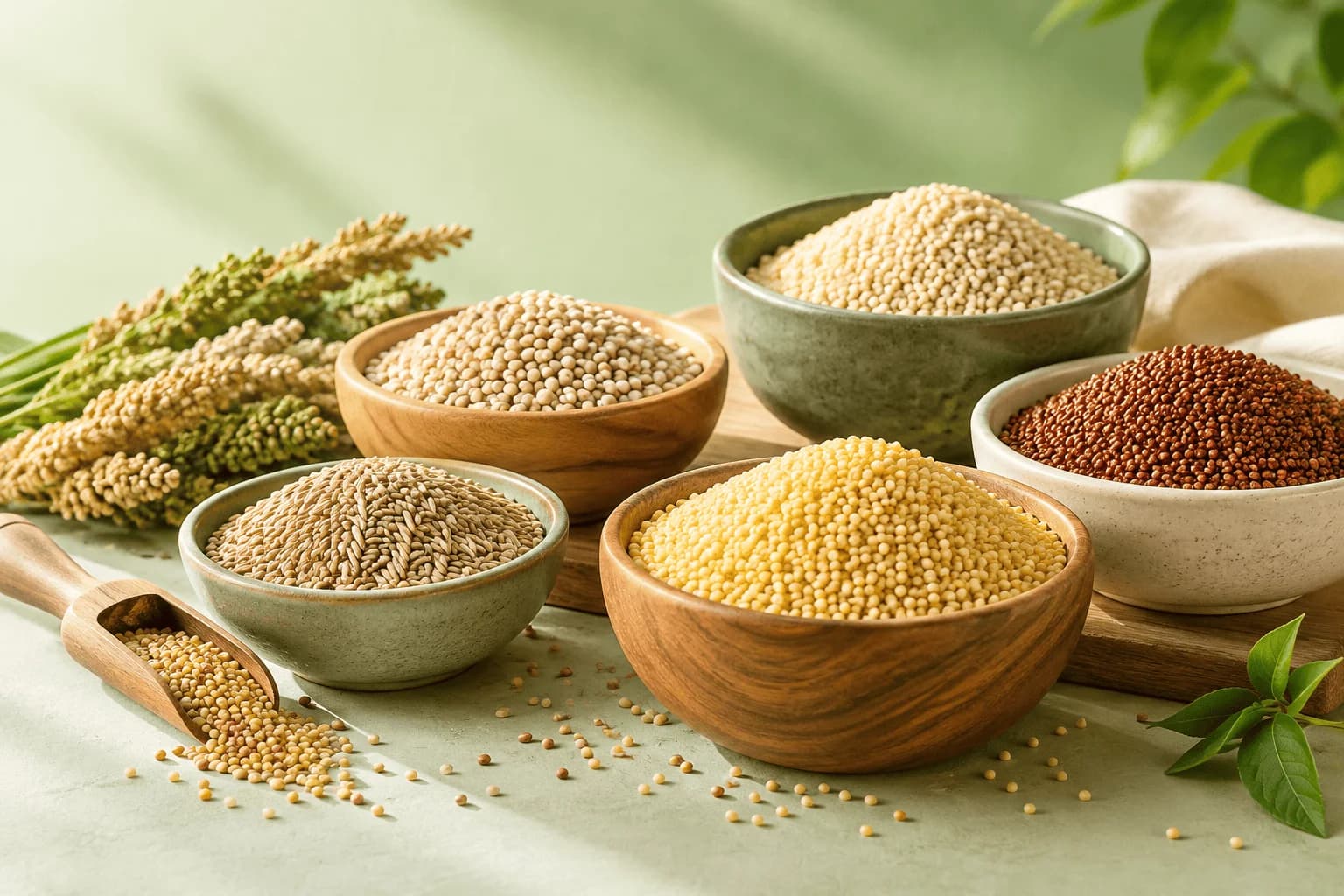
Walk into any grocery store today and the snack aisle looks nothing like it did a decade ago. Millets have quietly taken over shelf space that used to belong entirely to potato chips and fried namkeen, and for good reason. Once you're standing there trying to pick between jowar, bajra, and ragi, though, the choice isn't always obvious. Each one brings something a little different to the table, and knowing the difference actually helps you pick healthy snacks that fit your goals, not just whatever happens to be trending.
Why Millets Took Over the Snack Aisle
Millets aren't new. They've been part of Indian diets for generations. What's changed is how they're being reintroduced as roasted, baked, and puffed alternatives that don't feel like a downgrade compared to regular fried snacks. Most millet-based options also check a few boxes at once without trying too hard: naturally gluten free, generally lower in calories than deep-fried alternatives, and made without maida, which matters if refined flour is something you're trying to cut back on.
Jowar: The Everyday, Easygoing Option
Jowar, or sorghum, is probably the most versatile of the three. It has a fairly neutral taste, which makes it easy to turn into things like light, crunchy puffs without the grain itself taking over the flavor.
Nutritionally, jowar leans gluten-free and fiber-rich, which is part of why it keeps you fuller for longer than a regular fried snack would. It also digests a little slower than refined flour, so it tends to fit reasonably well into a routine built around weight loss provided the portion stays sensible.
Jowar tends to work well for:
Everyday snacking that doesn't feel heavy afterward
A light bite that won't cause an afternoon energy dip
Anyone easing into millet-based eating for the first time
Bajra: Warming, Iron-Rich, and Filling
Bajra, or pearl millet, carries a slightly earthier, nuttier flavor than jowar, and it's traditionally treated as a "warming" grain which explains why it shows up so often in North Indian winter cooking.
What stands out nutritionally is the iron content, alongside a decent dose of magnesium and fiber. That combination makes it a fairly solid choice when you want something with more density and staying power, especially on a busier day.
Bajra tends to suit:
Cooler months, when a slightly heavier snack feels more satisfying
Anyone who prefers a bit more texture and bite
A more substantial alternative to a light evening nibble
Ragi: The One Most People Already Trust
Ragi, or finger millet, is the millet most people already associate with healthy food, and there's a decent reason for that. It's known for its calcium content, notably higher than most other grains, which is why it turns up so often in healthy snacks for kids and in conversations about bone health more generally.
It also carries a naturally low glycemic index, which is part of why it gets recommended so often for people keeping an eye on blood sugar. The flavor leans earthy, almost malty, which works in both sweet and savory formats.
Ragi tends to suit:
Growing children who need extra calcium
Anyone paying closer attention to blood sugar through diet
Adults who want something nutrient-dense that won't spike energy and crash it soon after
So, Which One Actually Fits You
There isn't a single "best" millet here; it really depends on what you're optimizing for.
Jowar if you want something light and versatile for everyday eating
Bajra if you want more density and iron, especially in colder months
Ragi if calcium, bone health, or blood sugar management matter most to you right now
A lot of people don't stick to just one, either. Rotating between all three across the week is a simple way to get a broader spread of nutrients without overthinking every snack decision.
Fitting Millet Snacks Into a Busy Routine
One underrated advantage of millet-based snacking is how easily it slips into a routine that doesn't leave much room for planning. Ready-to-eat millet snacks travel well, don't spoil quickly, and work just as well tucked into a bag for a trip as they do sitting in a desk drawer for that mid-afternoon slump between meetings.
Frequently Asked Questions
Are millet snacks actually good for weight loss?
Millet snacks tend to be higher in fiber and lower in refined carbohydrates than traditional fried snacks, which can support satiety and make portion control a bit easier as part of an overall balanced diet.
Is ragi better for kids than jowar and bajra?
Ragi is very popular for children's snacks because it is rich in calcium. But jowar and bajra have their own nutritional strengths and can be a part of a varied diet.
Is millet snack gluten free?
Jowar, bajra and ragi are all naturally gluten-free grains but watch out for added ingredients that might contain gluten in individual product labels.
Can I have millet snacks every day?
Yes, usually. As with any food group, variety and portion control are important, but there’s no reason not to make millet snacks a daily habit.
Which millet snack is best for an evening craving?
Depends on the craving. Something roasted or puffed tends to satisfy a crunchy urge, while a savory millet namkeen works better if you're after something more filling.
Conclusion
Jowar, bajra, and ragi each bring something a little different to the table, and the right pick really comes down to what your body and your day actually need. Whether you're building out a week of best healthy snacks or just trying to swap one habit at a time, millet-based options make that shift easier without asking you to give up the satisfaction of a good snack.